A proven method, tested in a new setting
The method we use is recommended by WHO and has been tested in 7 trials. Our job is to find out how well it works inside Uganda's own health system, and to be honest about what we learn.
Communities are best placed to find their own barriers
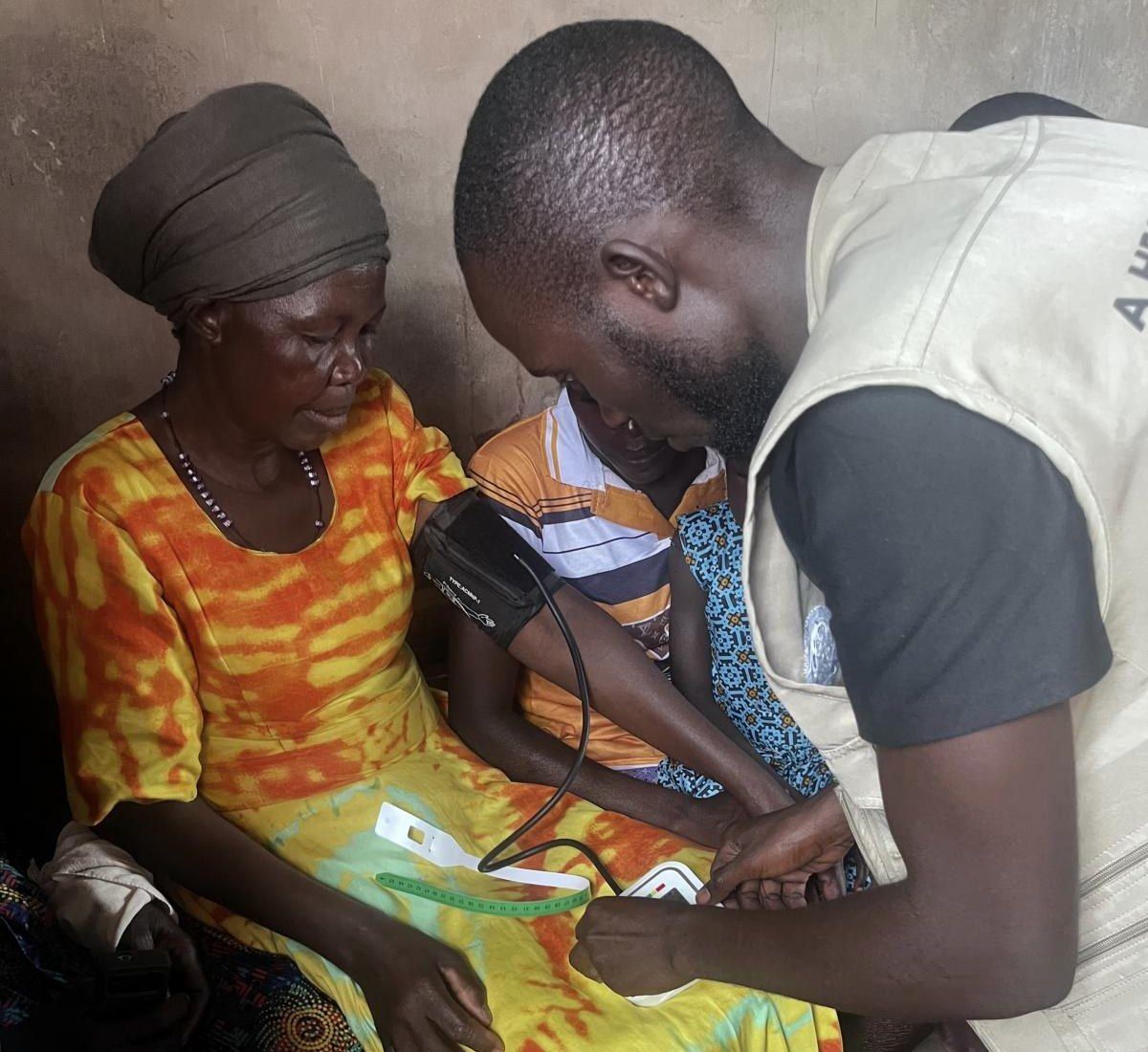
Many community health talks tell people what they should do. Participatory Learning and Action starts from a different belief: communities know their own barriers to care, and the strategies to solve them.
A trained facilitator, in our case a government CHEW, guides community members through a cycle of meetings. They identify local barriers, design solutions and take action. The community owns the problem and the answer.
The World Health Organization recommends this approach for maternal and newborn health. Read the WHO recommendation.
Our results so far
Measured data only. We leave projections out until we have the evidence to back them.
Three measures, reported every month
Participation
How many pregnant women and family members come to each meeting.
Retention
Whether people keep coming back through the 12-month cycle.
Facilitation quality
How well CHEWs run each meeting, checked in the field.
We report these to the Ministry of Health and the Ngora District Health Team at a monthly progress review.
The questions our pilot will answer
The method has strong global evidence. What is less tested is whether it can fully integrate into government health systems, and what happens when it does. We are asking:
- Does it strengthen community health delivery beyond maternal health?
- Does it clear the cost-effectiveness bar of at least 8 times a direct cash transfer?
- Can it become a standard part of how Uganda's CHEWs serve their communities, with lessons for other countries?
We will share what we find, including what does not work.
Test, prove, then make it part of government's work
Test
2026 · NowRun the method with the Ngora District Health Team and measure what happens.
Prove
2027 to 2030Show the results hold as more districts take part.
Institutionalize
2031 to 2035Make it part of how government health workers serve their communities.

Help us find out what works
Your gift funds monthly community meetings and the data that tells us whether they work.