Families plan how to reach care in time. Government health workers lead.
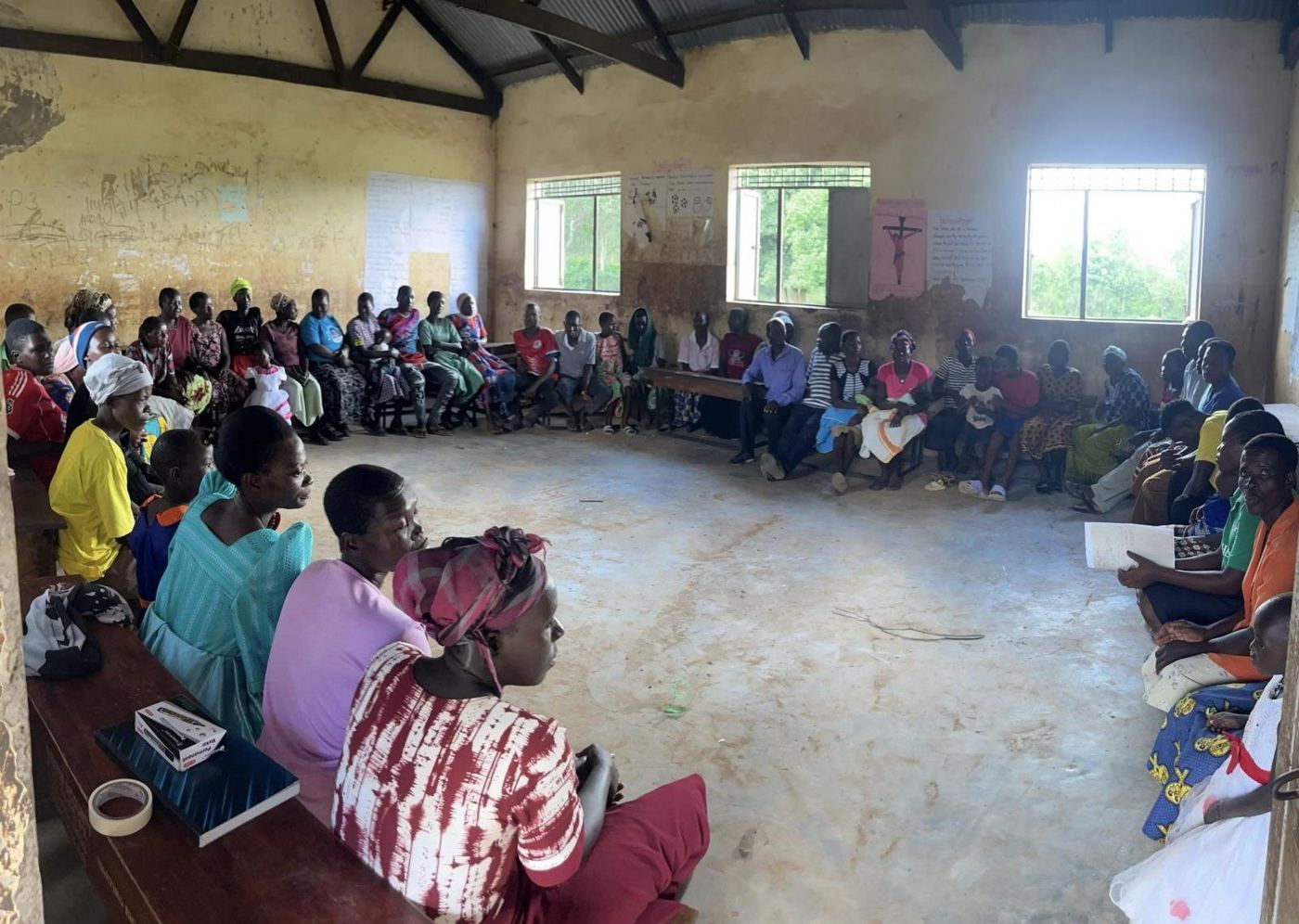
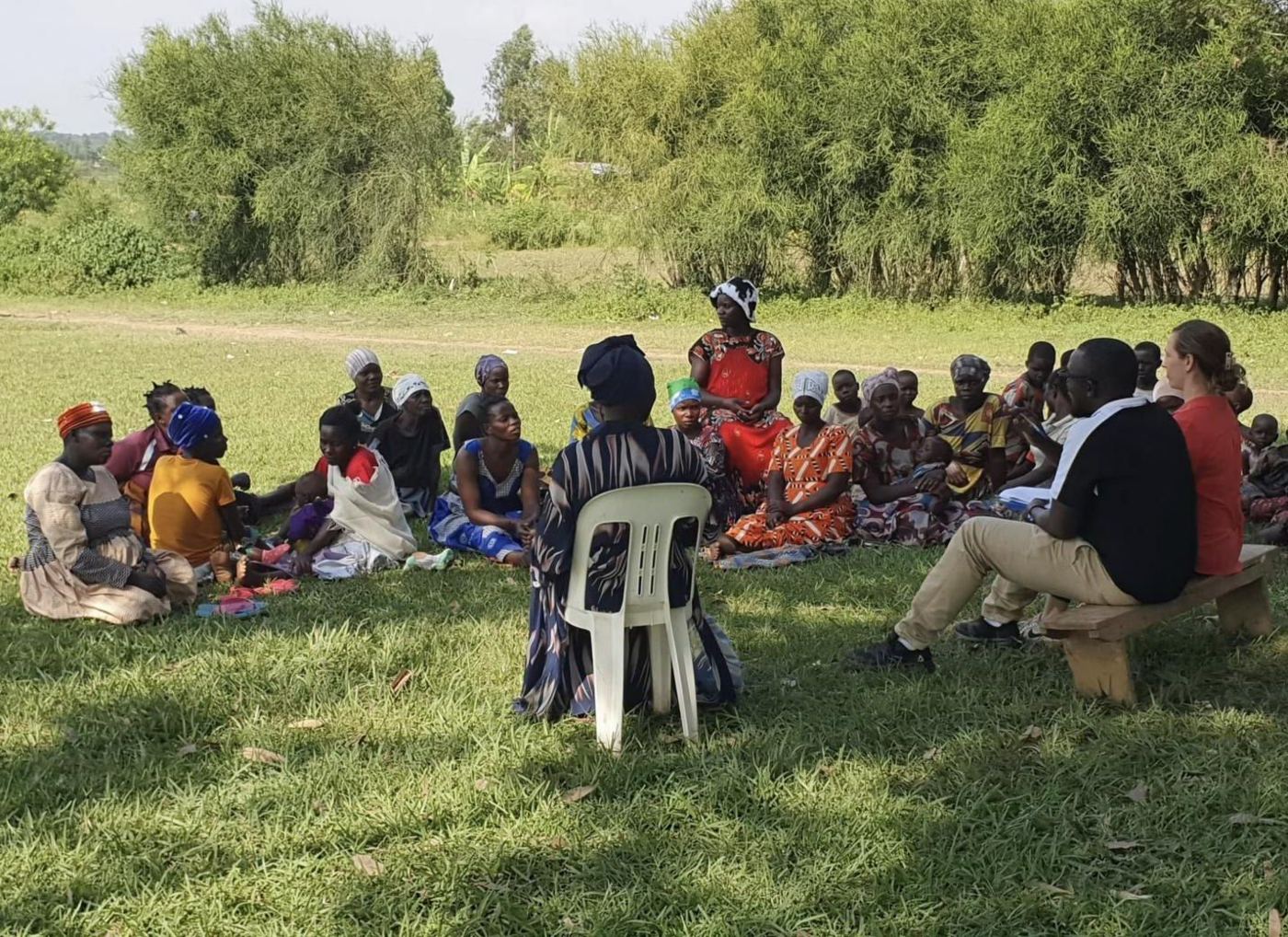
We train Community Health Extension Workers (CHEWs) to run monthly community meetings. Pregnant women and their families name the problems that stop them reaching care, then plan and act on their own solutions.
Care comes too late
Most maternal and newborn deaths in Teso Region happen because care comes too late. About 70% are caused by delays in deciding to seek care and then getting there.
Many of those decisions are made at home, before a woman ever reaches a health facility. Women often know care is available. Cost, distance and the lack of transport at night keep them from reaching it in time.
Information campaigns alone don't change that. Collective action does.
Communities solve barriers to care in a 12-month cycle
Monthly group meetings, led by a trained CHEW. The method is called Participatory Learning and Action.
Identify
May to JulName the main health problems and barriers to care.
Plan
Aug to NovPick 2 to 4 problems and design local solutions.
Implement
Nov to FebPut solutions into action with local resources.
Evaluate
Mar to MayReview what worked, then choose what to do next.
Practical solutions families can sustain
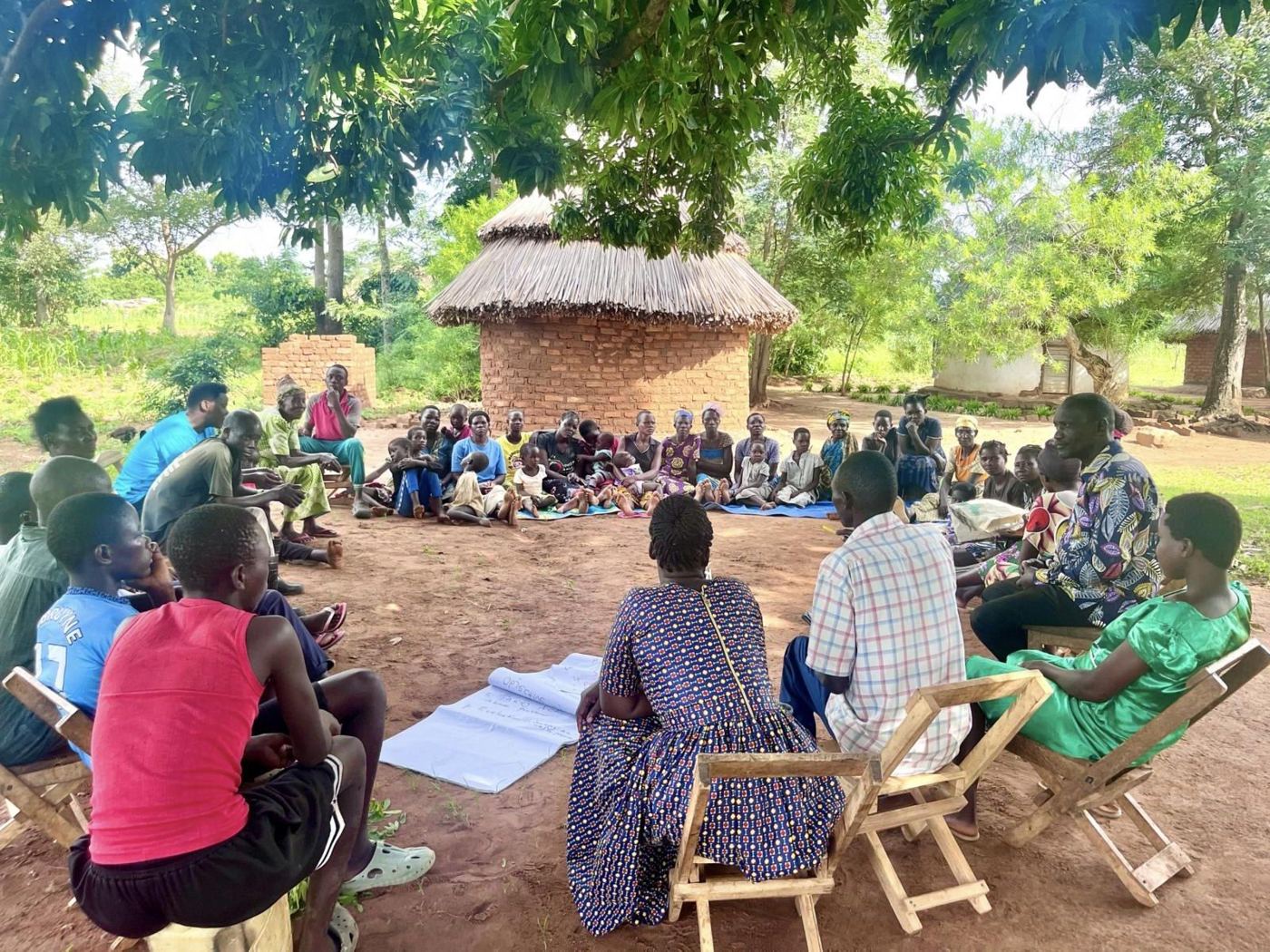
Each group decides which problems matter most and how to solve them with local resources. Solutions range from emergency transport plans with boda boda riders to group savings for health costs.
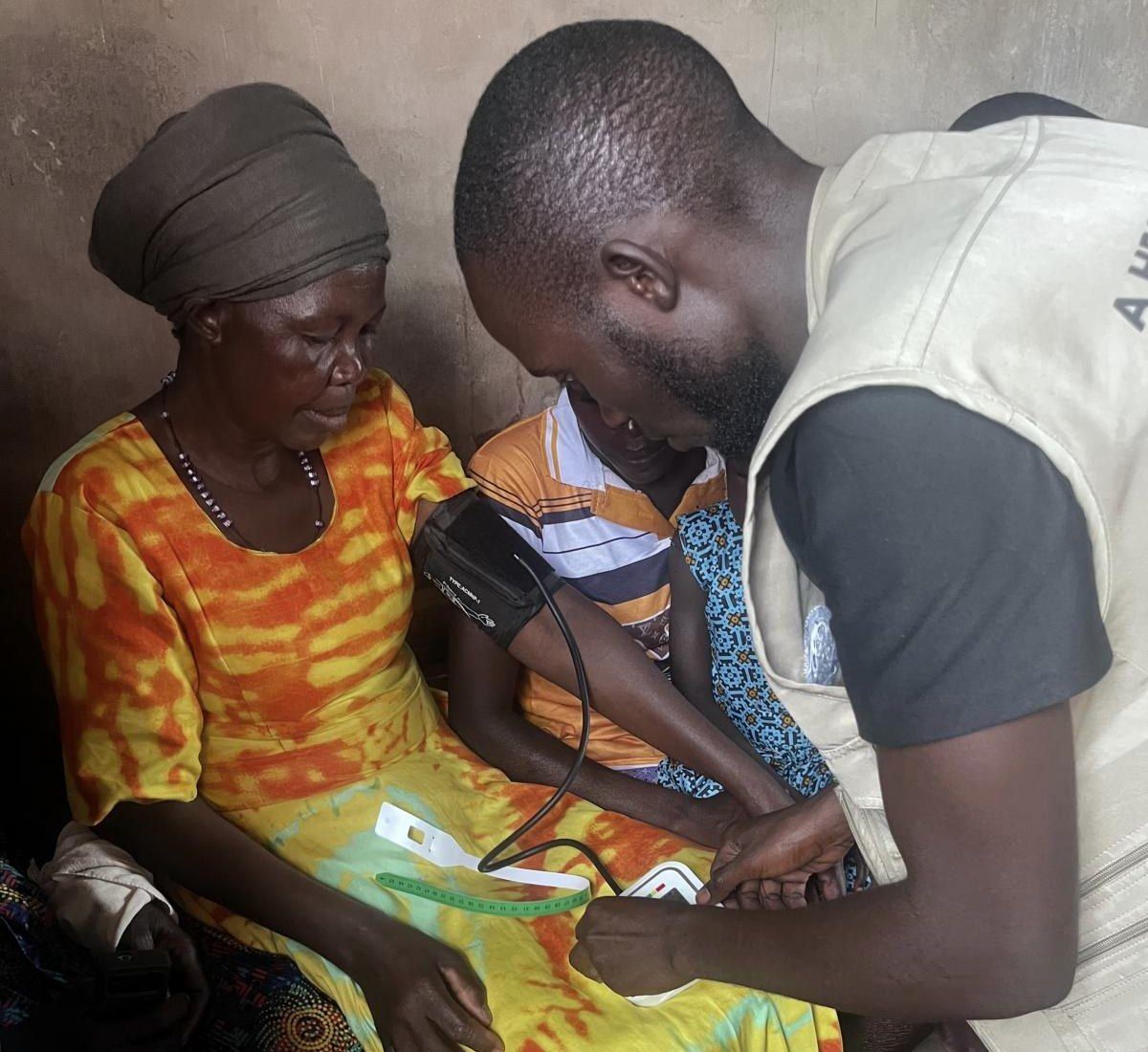
In our first month, CHEWs also used the meetings to check blood pressure, follow up on sick children and advise on nutrition. Nobody asked them to.
We are technical partner to District Health Teams
Government delivers the meetings. We add the method, not extra staff.
Adapt
Adapt the method to the local context.
Train
Train and equip CHEWs to deliver it.
Oversee
Oversee quality.
Report
Report on what works.
Advise
Advise on integration into national policy.
Ngora District, Teso Region, Eastern Uganda
We are piloting in Ngora District with the District Health Team. 28 community groups meet every month, in a 12-month cycle of community meetings.
Help more families plan how to reach care in time
Your gift trains and equips government health workers to run monthly community meetings.