Communities in Eastern Uganda are ready to lead
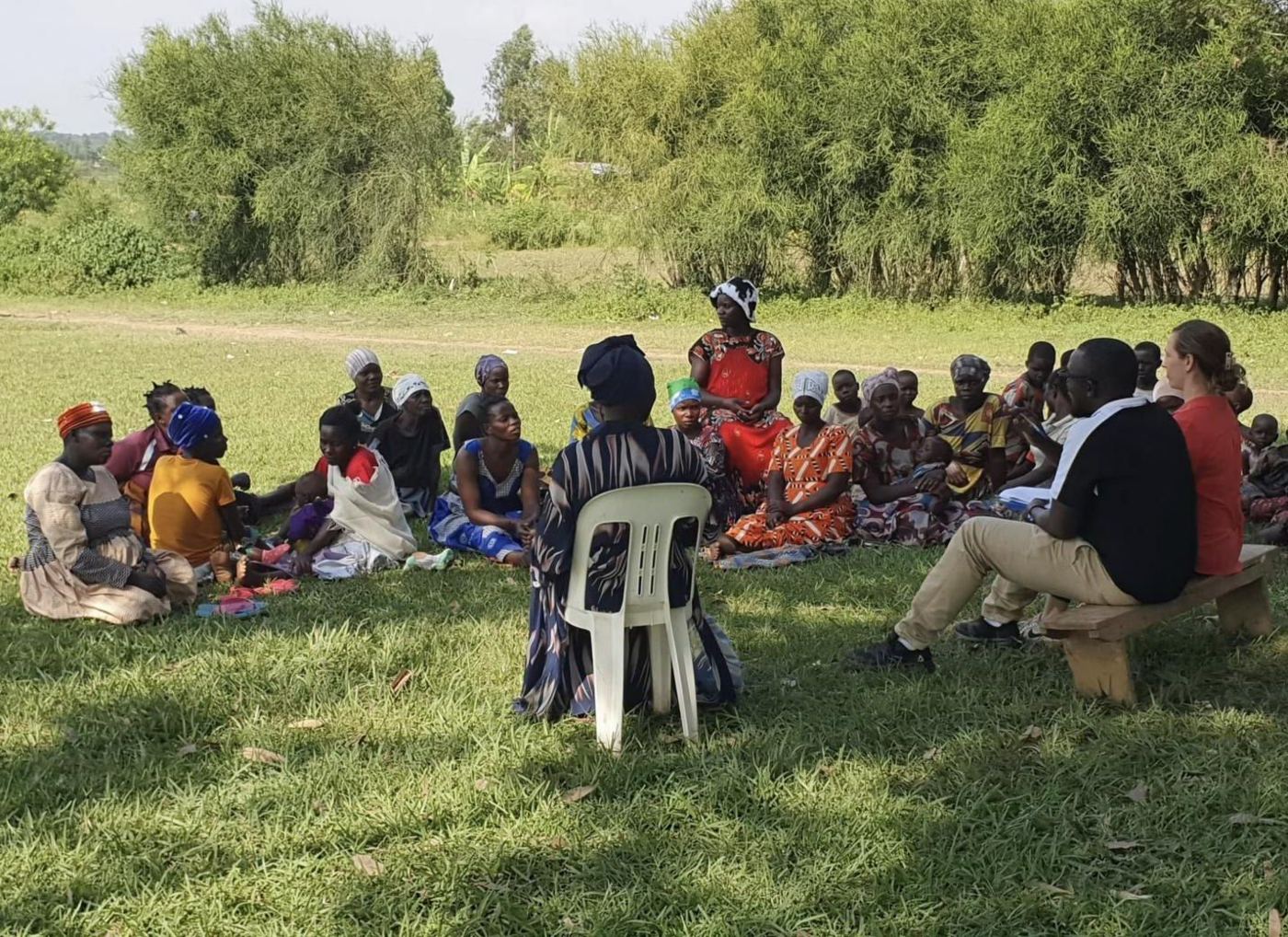
Matthew Beer and I have just returned from a trip to Eastern Uganda, where we assessed whether an Opal Health pilot was feasible. With major programs winding down, we wanted to understand whether a new nonprofit could add lasting value. Across 7 districts, we met mothers, community health workers, clinicians and district leaders who welcomed us with openness and candor. Here is what stood out.
1. Communities are ready to lead
We saw a strong appetite for local problem-solving. As one focus group participant put it, "We have a group right here, let's start!" This reinforced the value of supporting momentum that already exists, by providing the structure and tools for collective action.
2. The case for community health is strong, and timely
Uganda's earlier gains on maternal deaths show what is possible when facility improvements and community engagement move together. As progress stalls, partly because of the changing funding landscape, the government's CHEW model gives the right framework to move it forward. But their outreach capacity is still limited. A district leader put it plainly: "Our chronic problem is the 2 delays. We need partners to help us encourage women to seek and access care on time." Solutions should build on existing community structures and support their reach.
3. Communication is both a root cause and a path to solutions
Delays in care often come from misinformation, fear and distrust. Communities and health workers alike asked for platforms that make dialogue possible, strengthen accountability and help them solve problems together.
4. The expertise is already there. Our role is to connect it
We found strong talent across the system. With large programs closing, there is space for partners who can reconnect the system, using seed funding to activate existing capacity and create opportunities for national experts to lead.
We concluded this scoping visit confident that this is a "yes, and" moment: yes, Opal Health can add value, and we can do it by strengthening systems and amplifying community voices. We aim to begin working in communities by March 2026 and will share updates as we go.
Thanks to our advisors, Benson Odong, Azizi Buyinza, Edmund Emulu, Yatin Nana, Emmanuel George Okurut and Nicolas Laing, who made our trip a success, and to everyone who took the time to meet us then and since. Meet our team and advisors.